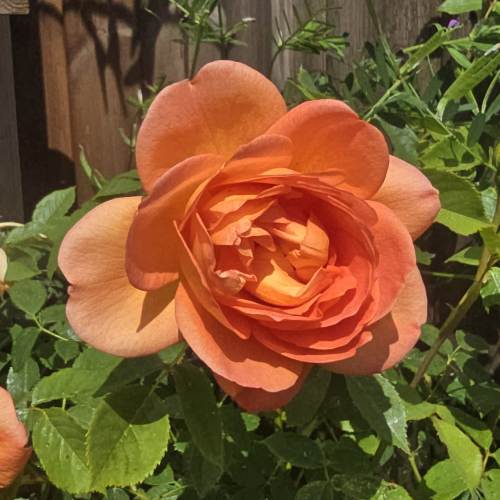


Tigger's Green Paw
Roses
Animal Safety: Dogs: No Cats: No Rabbits: No
Free Grazing:
Roses are non toxic to dogs, cats and rabbits. However, if they chew on the stems, the sharp thorns can cause injuries to the mouth, throat, or gastrointestinal tract.
Rabbits: Rose petals and leaves are safe for rabbits to consume, in moderation and part of their diet.
In fact, many rabbits view rose petals and leaves as a delicious, gourmet treat.
Lifespan
The lifespan varies based on the variety and the quality of care. Modern cultivars, such as Hybrid Tea roses, typically thrive and produce vibrant blooms for 15 to 20 years, while Old Garden roses are incredibly resilient and can easily live for 50 to 100 years or more if left undisturbed.
Sow, Flower, Harvest Months:
Sow (Planting): March to April (bare-root roses) or September to October (container-grown roses).
Flower: May to September.
Harvest: June to August for petals and flowers and September to November for ripe rose hips
Soil Type:
Roses thrive best in well drained soil. They require plenty of nutrients, so mixing organic matter like compost or aged manure into the soil is highly beneficial.
Size:
Roses vary in size depending on species. Miniature Roses grow to 30 cm to 60 cm (1 to 2 feet) tall. Shrub and Hybrid Tea Roses reach 1 m to 1.8 m (3 to 6 feet) in height. Climbing Roses can stretch up to 6 m (20 feet) or more.
About:
Roses have over 300 species and thousands of selectively bred roses. Most species have sharp thorns on their stems. The plant also produces fruit called a rose hip.
History:
With a history spanning millions of years and fossil evidence dating back approximately 35 million years.
Cultivation began roughly 5,000 years ago in China. Roses were grown extensively in the Middle East during the Roman period, where they were used for perfumes, medicine, and celebratory confetti.
Photograph:
Ian Stephens
www.iansdailynaturephoto.co.uk