

Tigger's Green Paw
Sorrel
Animal Safety: Dogs: No Cats: No Rabbits: No
Sorrel is considered poisonous to animals because it contains high levels of oxalic acid, which can cause kidney damage, digestive distress, or even death.
Lifespan:
Sorrel lives for around 3 to 5 years, longer if it is in ideal growing conditions.
It is a hardy, fast-growing perennial that can grow up to 60 cm tall.
There are over 200 species of sorrel
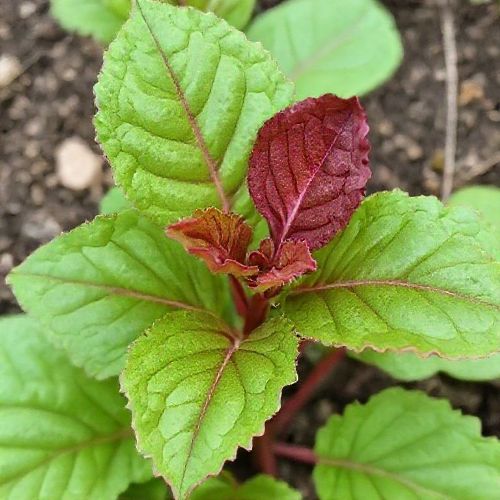
Sorrel typically grows with bright to deep green leaves, with some varieties having red veins and stems. Flowers appear in summer in shades of reddish-green, yellow, or pinkish-white.
It is very low-maintenance and acts as a "cut and come again" plant, providing fresh leaves all season.
Soil Type:
Sorrel thrives in moist, fertile, and well-drained soil that is slightly acidic
The leaves are edible when young but toughen with age. they may be puréed in soups and sauces or added to salad.
The young shoots are edible as well, both being high in vitamin C and having a lemony flavour.
It is incredibly high in vitamins A and C, along with potassium.
Its name is derived from the Old French word surele, which means "sour".
Common sorrel has been cultivated for centuries.
Traditionally, it was used to treat scurvy, fevers, and even mouth sores.
Romans ate the leaves to soothe the stomach after excessive eating.
On long, hot marches Romans would chew on the leaves to cut through thirst, which influenced the Latin name rumo ("I suck").
Sorrel has been used to create yellow, brown, and green dyes from its roots
Due to its high oxalic acid content, sorrel has an intense, sour flavour that led to its use as a vinegar substitute before lemons became common in Europe.
Traditionally, the juice of the common sorrel was used to remove stains from linen.